
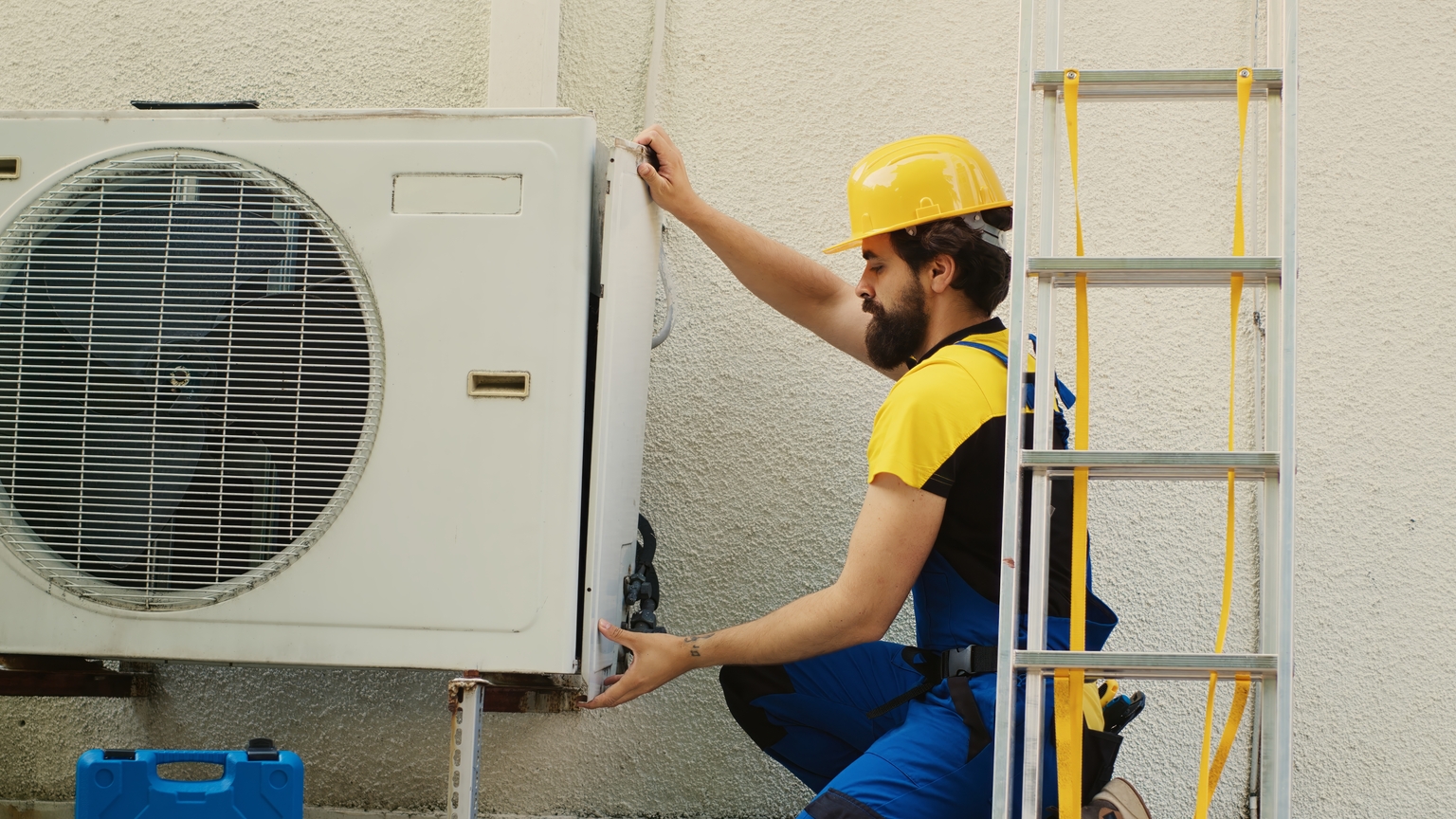
A homeowner searching for emergency AC repair is not casually browsing. They want to know who can help, how quickly someone can respond, and whether the company looks trustworthy.
If the ad promises fast AC repair but the click leads to a general homepage covering heating, cooling, plumbing, and electrical work, the homeowner has to work too hard to find the answer. Many will simply return to Google and call someone else.
A strong HVAC landing page removes that friction. It confirms the service, builds confidence, and makes the next step clear.
Why HVAC Landing Pages Matter After the Click
A Google Ads click only creates an opportunity. The landing page determines whether the homeowner trusts the company enough to call, request an estimate, or keep searching.
You already paid for the click. The landing page either converts that click into a qualified lead or wastes your ad spend entirely. Differences in conversion rates can significantly affect your cost per lead and overall advertising efficiency, without requiring a higher ad budget.
Should HVAC Ads Send Traffic to the Homepage?
Rarely. Your homepage serves people who already know your company name or want a broad overview of everything you offer.
However, someone who clicked an ad for furnace repair does not need to see your plumbing services, company history timeline, or team photos. They need confirmation that you repair furnaces, serve their area, and can respond quickly. Sending paid traffic to a generic page drives visitors away to a competitor’s optimized HVAC PPC landing page.
Match the Page to the Service Being Advertised
If the ad mentions AC repair, the landing page headline should confirm AC repair. If the ad focuses on furnace replacement, the page should speak directly to homeowners replacing a furnace.
This strategy, known as message match, reduces uncertainty immediately. A dedicated HVAC Google Ads landing page designed for a specific service outperforms a generic page by keeping messaging tightly focused on the searcher’s exact intent.
Write for the Homeowner’s Level of Urgency
Emergency repair buyers behave differently than system replacement shoppers.
Someone with no heat in January wants to know whether you answer the phone, whether you can come out today, and what your service call fees are. Meanwhile, a homeowner replacing a 15-year-old air conditioner may be looking for financing options, brand comparisons, warranty details, and free estimates.
Using identical messaging for both scenarios leaves money on the table. Your page should reflect the specific question the homeowner is trying to answer. For a deeper look at managing campaign intent, explore our Google Ads for HVAC Companies overview.
Make the Service Area Clear
HVAC companies operate within defined geographic limits. If you do not serve a particular city or county, homeowners need to know that before they fill out a form or call.
Including service area details on your HVAC lead generation page prevents wasted calls and improves lead quality. Mentioning specific neighborhoods, zip codes, or nearby landmarks reinforces local trust and eliminates the guesswork.
Build Trust Before Asking for the Call
Trust signals matter more in HVAC than in many other industries because homeowners invite technicians into their homes and often spend thousands of dollars on repairs or replacements.
Effective landing pages for HVAC companies should include:
- Relevant customer reviews mentioning the specific service
- Licensing and insurance information
- Manufacturer certifications where applicable
- Family-owned messaging or years in business
- Financing options and warranty details
- Photos of real technicians or branded trucks
Specific, service-oriented proof converts measurably better than generic stock photos and vague trust language.
Make It Easy to Call From a Mobile Device
Most HVAC searches happen on mobile devices, especially emergency service requests. Your phone number should be clickable, visible at the top of the page, and sticky so it remains accessible while scrolling.
If a homeowner has to pinch-zoom to find your number or navigate through multiple menus, you are losing calls to competitors. Improving your HVAC website conversion rate relies heavily on removing every obstacle between interest and action.
How Much Information Should an HVAC Form Request?
Forms should collect enough detail to support qualified follow-up without creating friction.
For emergency repair leads, keep it simple: name, phone number, service address, and a brief description of the problem. For replacement estimates, you can request additional details like system age or brand preferences. Testing helps determine the right balance for your market. To review how lead tracking ties into form data, check out our insights on why Google Ads campaigns fail to generate qualified phone calls.
What Emergency HVAC Landing Pages Need
Emergency HVAC service pages should emphasize speed, availability, and immediate next steps.
Include your phone number multiple times. Mention whether you offer same-day service, evening or weekend availability, or 24/7 dispatch. Address pricing concerns directly by explaining your service call fee structure or flat-rate pricing to reduce hesitation.
What HVAC Replacement Landing Pages Need
Replacement shoppers are comparing options and want details, not hype.
Feature financing terms prominently if you offer them. Many replacement decisions hinge on monthly payment affordability rather than total system cost. Include brand options, efficiency ratings, warranty coverage, and social proof highlighting smooth installations and clean work.
Common HVAC Landing Page Mistakes
Avoid these common pitfalls that drain advertising budgets:
- Sending paid traffic to the homepage instead of a relevant HVAC service page
- Burying the phone number so mobile users have to hunt for contact info
- Using the same page for both emergency repairs and system replacements
- Ignoring mobile performance and slow load times
- Failing to answer basic objections regarding pricing, availability, and service area
For guidance on allocating spend efficiently across these pages, review our budget framework.
What to Track Beyond Form Submissions
Standard conversion tracking counts every form submission and phone call, but not all calls represent qualified opportunities.
Effective HVAC call conversion tracking distinguishes between qualified service calls, spam, and existing customers. Patent-pending offline conversion tracking helps connect inbound phone calls back to the exact campaign, keyword, and ad that generated the lead, providing a clear picture of true performance. You can also explore our foundational guide on Google Ads for Home Services for broader campaign alignment.
When to Create Separate Pages for Each Service
If you run paid search campaigns across multiple offerings, separate landing pages almost always outperform consolidated pages. AC repair, furnace repair, heat pump installation, and indoor air quality services attract different searchers with distinct questions.
Creating dedicated pages improves relevance, message match, and conversion rates across your campaigns.
How Landing Pages Fit Into a Wider HVAC Marketing Strategy
Even a perfect landing page cannot fix poor targeting, irrelevant keywords, or unmanaged follow-up.
Your ads need to attract the right audience, your landing pages need to convert that audience into leads, and your team needs to handle those inquiries quickly. Strong marketing connects all three pieces. To understand how comprehensive management supports this funnel, read our overview on Google Ads Management for Service Businesses.
Turn More HVAC Clicks Into Booked Calls
Getting HVAC clicks but not enough booked calls? Full Circle SEM can review how your ads, landing pages, and tracking work together to show you exactly where you are losing potential revenue.
[Review My HVAC Landing Pages]
Or explore our complete approach to heating and cooling marketing.
[Explore HVAC Marketing Services]
